Some home smells disappear after dinner, doing laundry or a full trash bag — but others return for a reason. A musty bathroom, sour sink drain, stale laundry room, sweet air vent smell or smoky garage odor can be a sign of small problems many people ignore until they are harder to repair. These common smells can be caused by moisture, food stuck in crevices, vents that need to be cleaned, old spills, leaks that are hiding, build-up inside appliances, or cluttered storage areas. Here are common household odors that can mean something needs attention, where they often come from, and what American homeowners and renters should notice before the smell spreads.Most people smell the bad smell before they smell the real issue. Odors are often the first indication in many American households that something is amiss under the sink, inside the fridge, near the laundry room, or behind a closed door. Not all odors mean there’s a problem, and some will go away when you clean, cook, or take out the trash. But if you have a smell that is recurring, traveling through the house, or worsening in a specific area, it may be a sign that’s worth investigating before it becomes a larger repair, mess, or cleaning project.
A Musty Bathroom Smell Can Point to Trapped Moisture
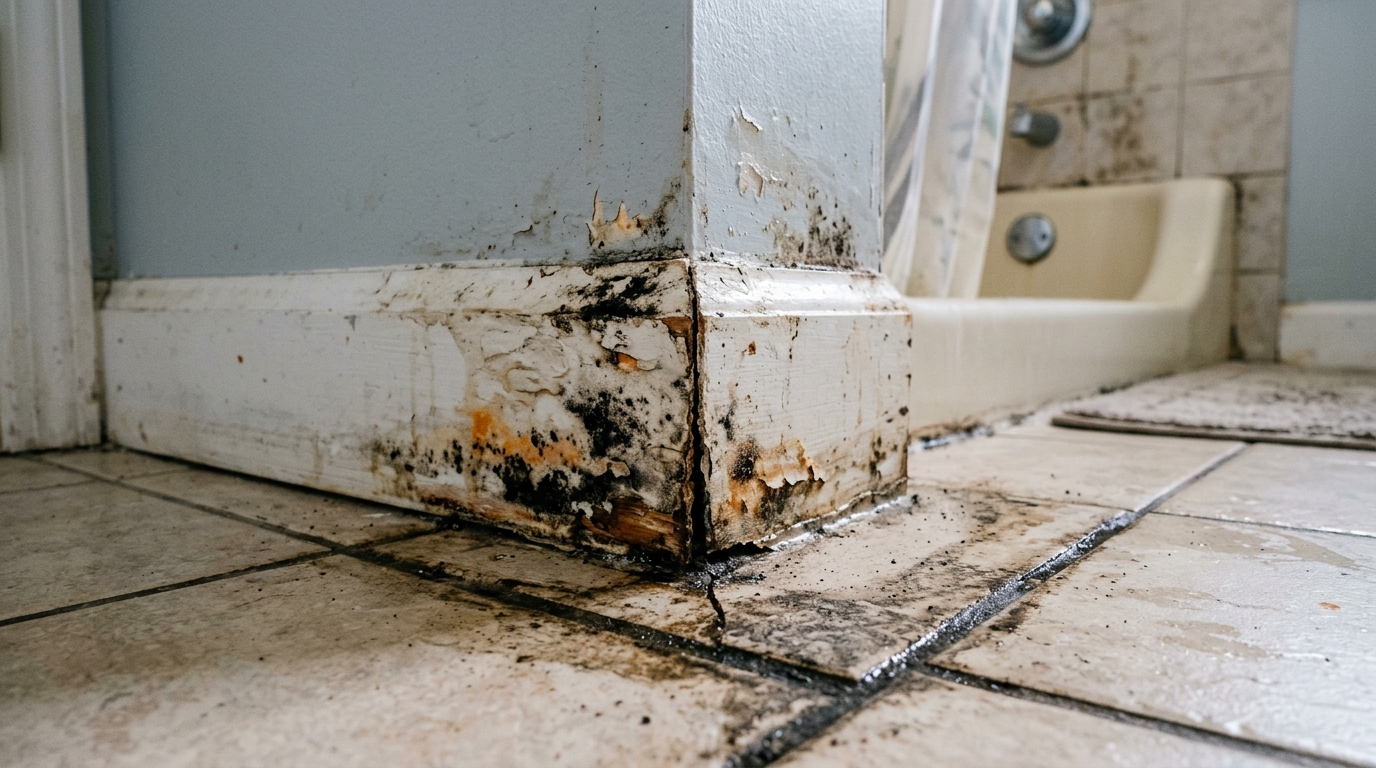
The answer is usually where the water lingers the longest. The musty smell in your bathroom could be from damp towels, wet bath mats, grout that doesn’t dry fast or poor air circulation after hot showers. “Many homes in the U.S. (especially older houses and rental apartments) have bathrooms that do not always ventilate well so moisture can hang around longer than people think. What seems like a normal bathroom smell can become harder to ignore. If the odor returns quickly after cleaning, inspect the shower curtain liner, towel hooks, bath mat, under-sink cabinet and the area around the toilet base. The fix could be as simple as drying fabrics faster, washing the liner, running the fan longer, or clearing clutter so air can move around.
A Sour Sink Drain Smell May Mean Food Is Sitting Somewhere
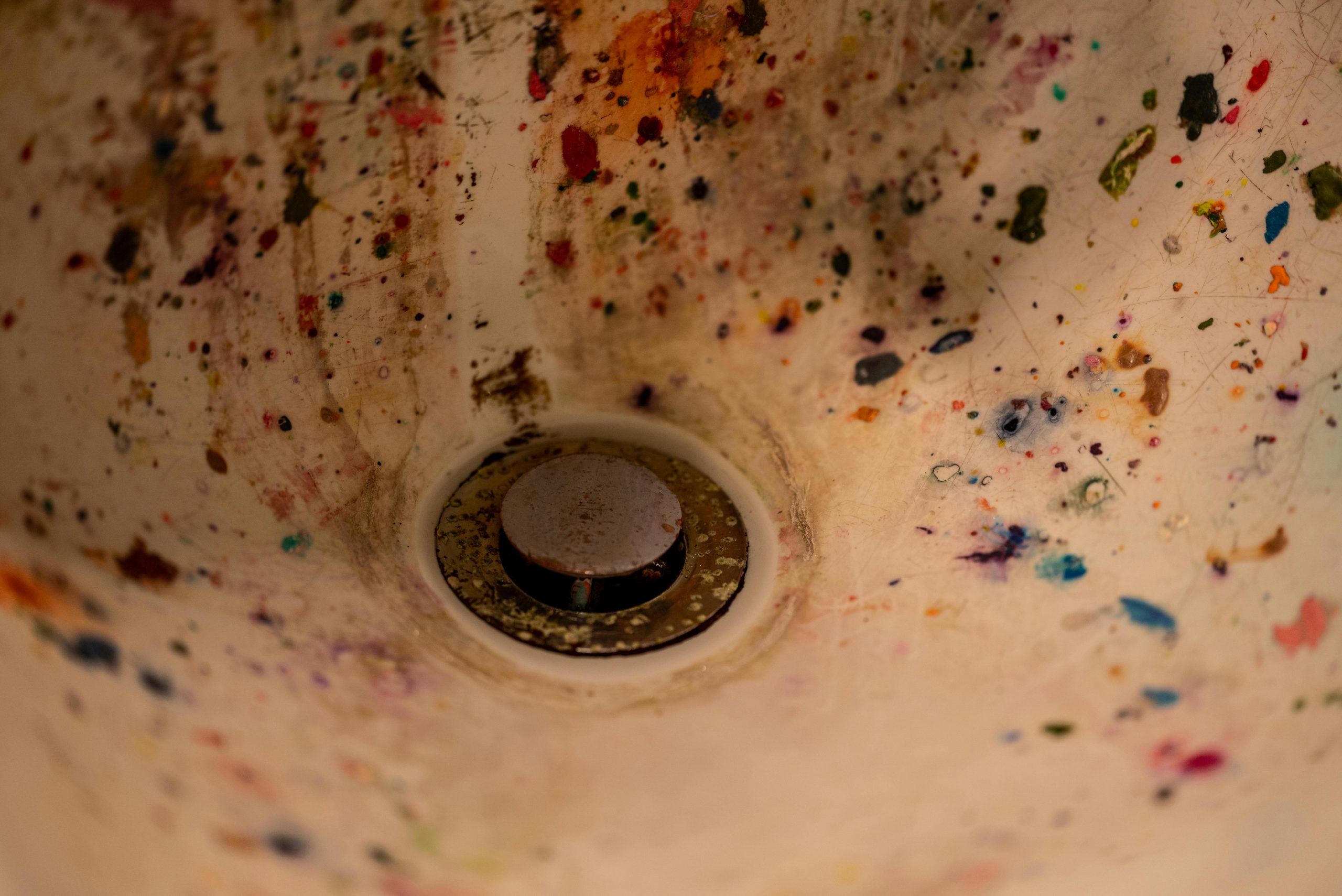
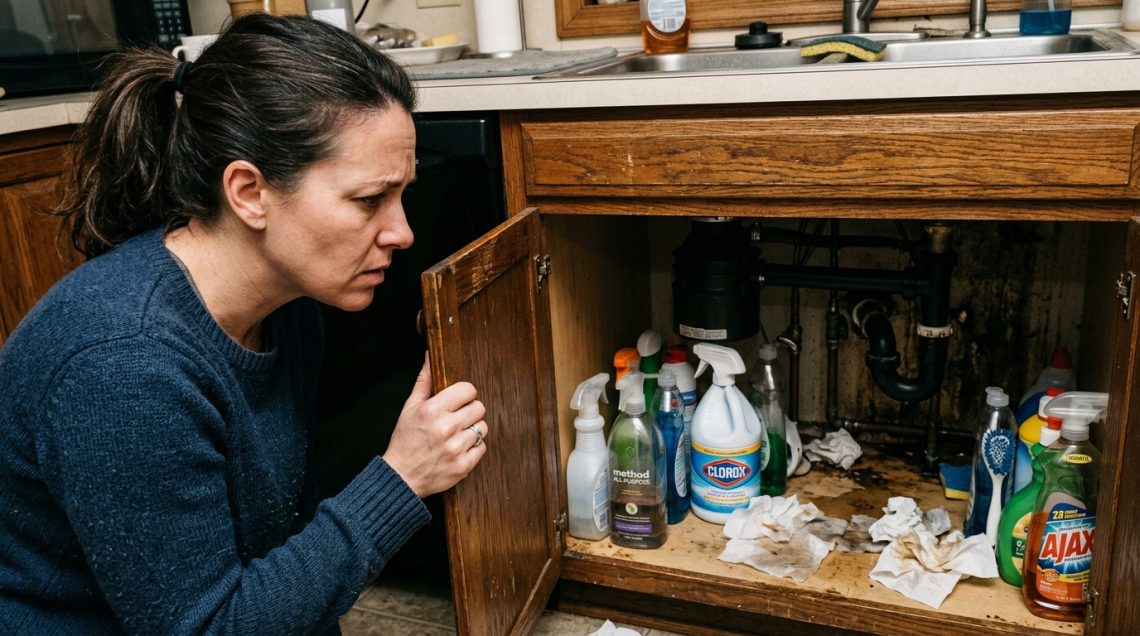
This smell often begins after a standard grocery run or dinner cleanup. Little bits of food can lodge in the drain, disposal, sink strainer or pipe elbow and give off a sour smell like bad leftovers. This can happen even if the sink looks clean from above (as in an average American kitchen).First of all, it’s usually the trash can’s fault. Before you think you need to deep clean the entire kitchen, take a look at the drain, sponge, dish rag, disposal splash guard and the space under the sink. A quick return of a sour smell could mean food particles are stuck somewhere people don’t usually look.
A Sweet or Chemical Smell Near Vents Should Not Be Ignored
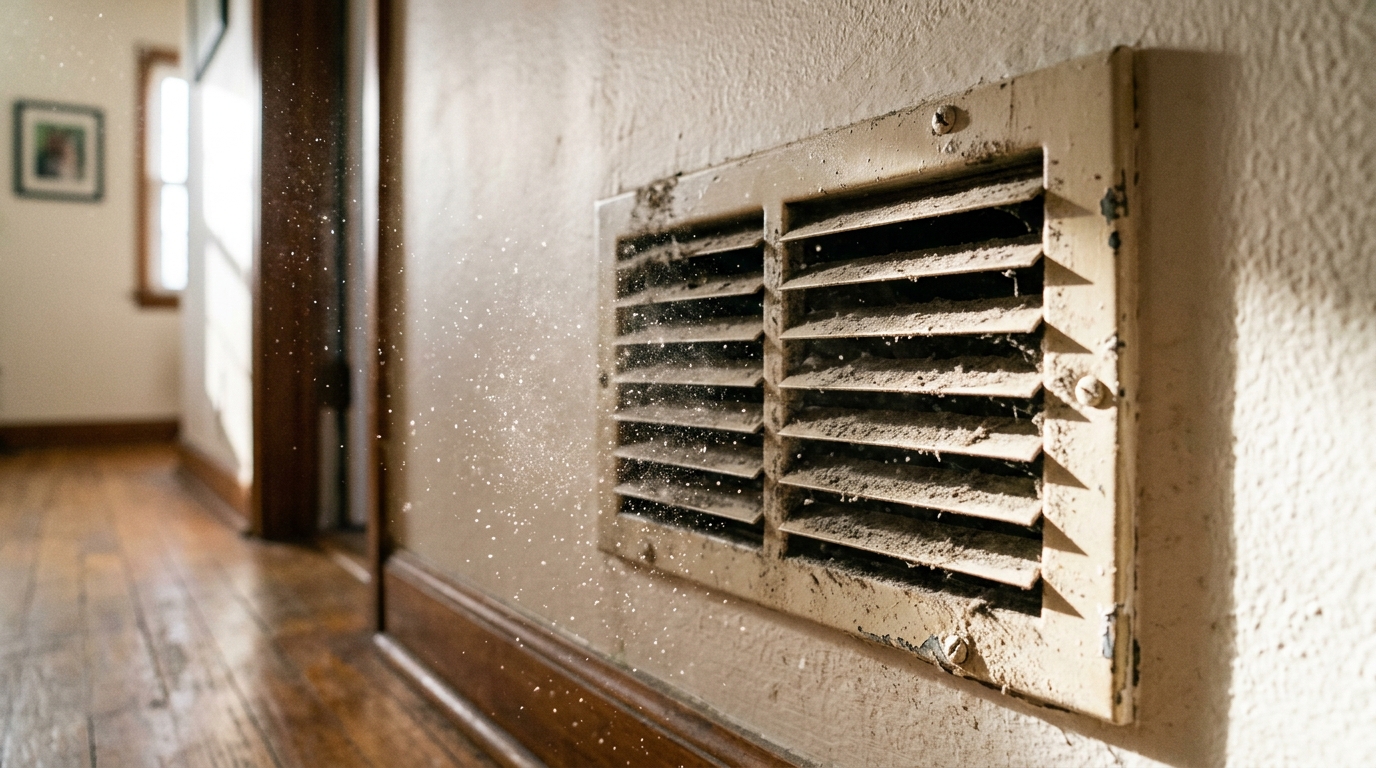
The whole house has a weird vent smell that makes it feel off. If you smell a sweet, chemical, burning or unusual odor when the heat or air conditioning is on, it is something to pay attention to. It could be something as simple as dust that has heated up after the system has been turned off, but any persistent or sharp odors should be checked out by a qualified professional. That little smell may travel farther than where it came from. Many U.S. homes have HVAC systems that force air through bedrooms, hallways, basements and living rooms, meaning one odor can seem to be coming from everywhere. If it’s a strong, quick, smoky smell, or if it’s happening when a system is turning on, it’s better to stop guessing and get some proper help instead of just masking it with candles or sprays.
A Rotten Fridge Smell Often Comes From One Forgotten Spot
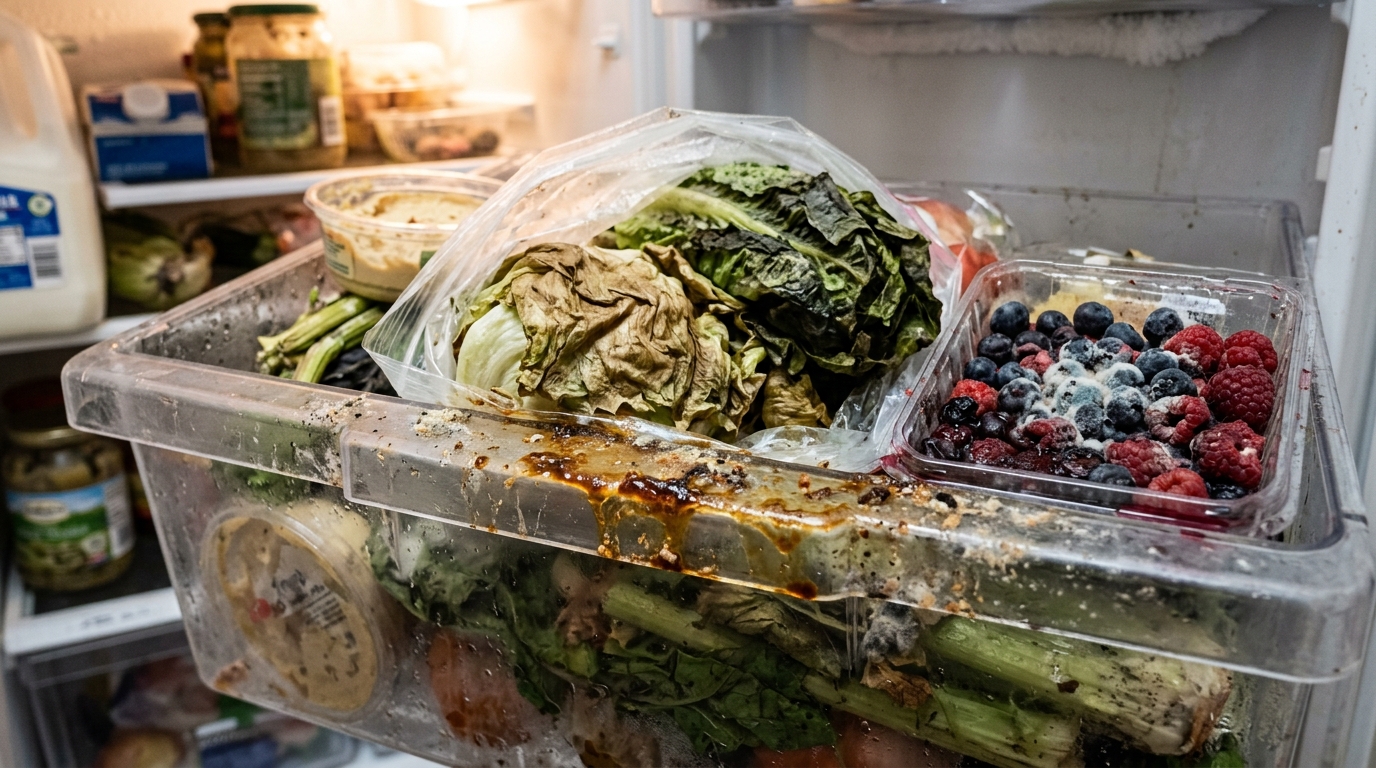
The smell often starts lower than you think. The foul smell in the fridge is usually coming from the produce drawer, meat drawer, back corner, or spill that got behind a shelf. After a grocery run, newer items replace older food, and the problem is hidden until the smell gets out of control. What appears to be a food problem can turn into a money problem. Leaky containers, spoiled food, and sticky messes can make people throw out more groceries than they should because the whole fridge feels dirty. Keeping an eye on drawer corners, shelf seams and containers before shopping again, one bad item can be prevented from ruining the fridge mood.
A Stale Laundry Room Smell Can Come From Wet Fabric or the Washer

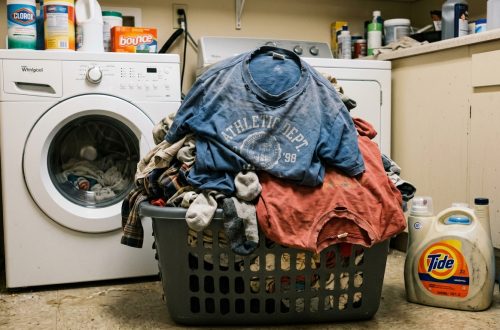
The smell often reminds me of clean clothes that were never quite clean enough. A stale or sour smell in many American laundry rooms may be caused by wet towels left too long, a closed washer door while damp, detergent build-up or a rubber seal that retains moisture. When everyone gets busy, mistakes are common. It might not seem like a big deal to leave clean clothes in the washing machine overnight or throw damp towels in a basket once, but repeated moisture can create a smell that lingers in the room. A little extra scented detergent is not going to make as much of a difference as letting the washer dry, wiping the seal and moving wet laundry faster.
A Trash Smell Near the Backyard May Not Be Just the Bag
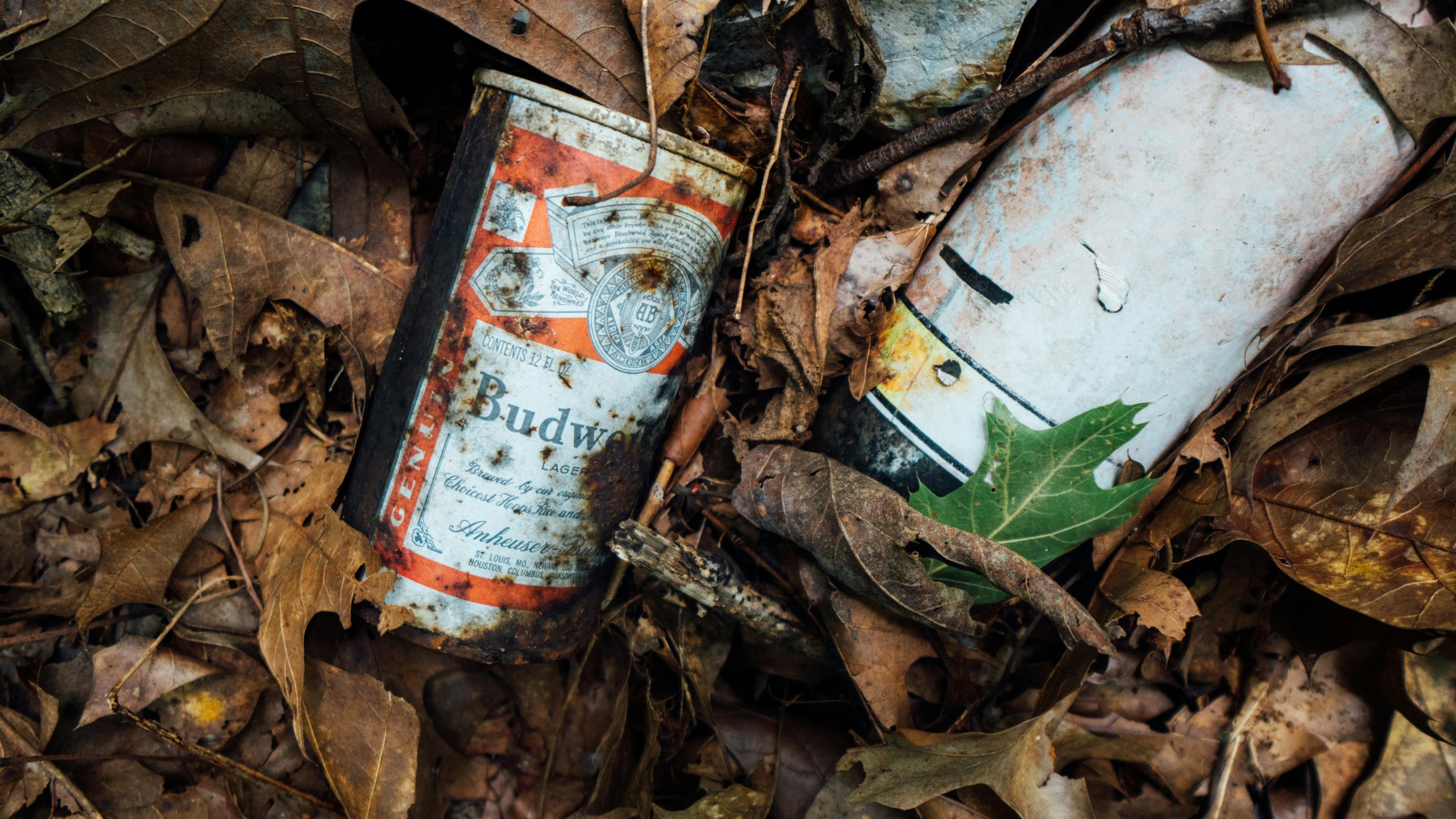
The odor can start outside of the home and still affect the home. Trash cans with food packaging, pet waste, or leaky bags can create smells that drift to doors and windows around the backyard, garage, or driveway. This is particularly visible in suburban homes during the warm months. That smell could also be a hint as to how you store it. If the cans still smell after pickup day, there may be residue on the bottom or around the lid. Rinsing the can thoroughly, bagging food waste more effectively and keeping lids closed can help reduce odor and may also make the area less interesting to pests or backyard animals.
A Damp Basement Smell Can Be an Early Moisture Warning

The smell often comes before an obvious leak is seen. In older homes, damp smells in finished basements and storage rooms can be due to humidity or slight seepage, wet cardboard, old carpet or poor air circulation. It doesn’t always indicate a major problem but it’s not something to ignore if it keeps coming back. The warning is generally concealed in stored items. Cardboard boxes, old rugs, holiday decorations, and fabric bins can hold onto moisture and make a basement odor worse. Homeowners can check for problems early by checking floor edges, wall corners and items placed directly on concrete.
A Smoky Garage Smell Can Come From More Than the Car
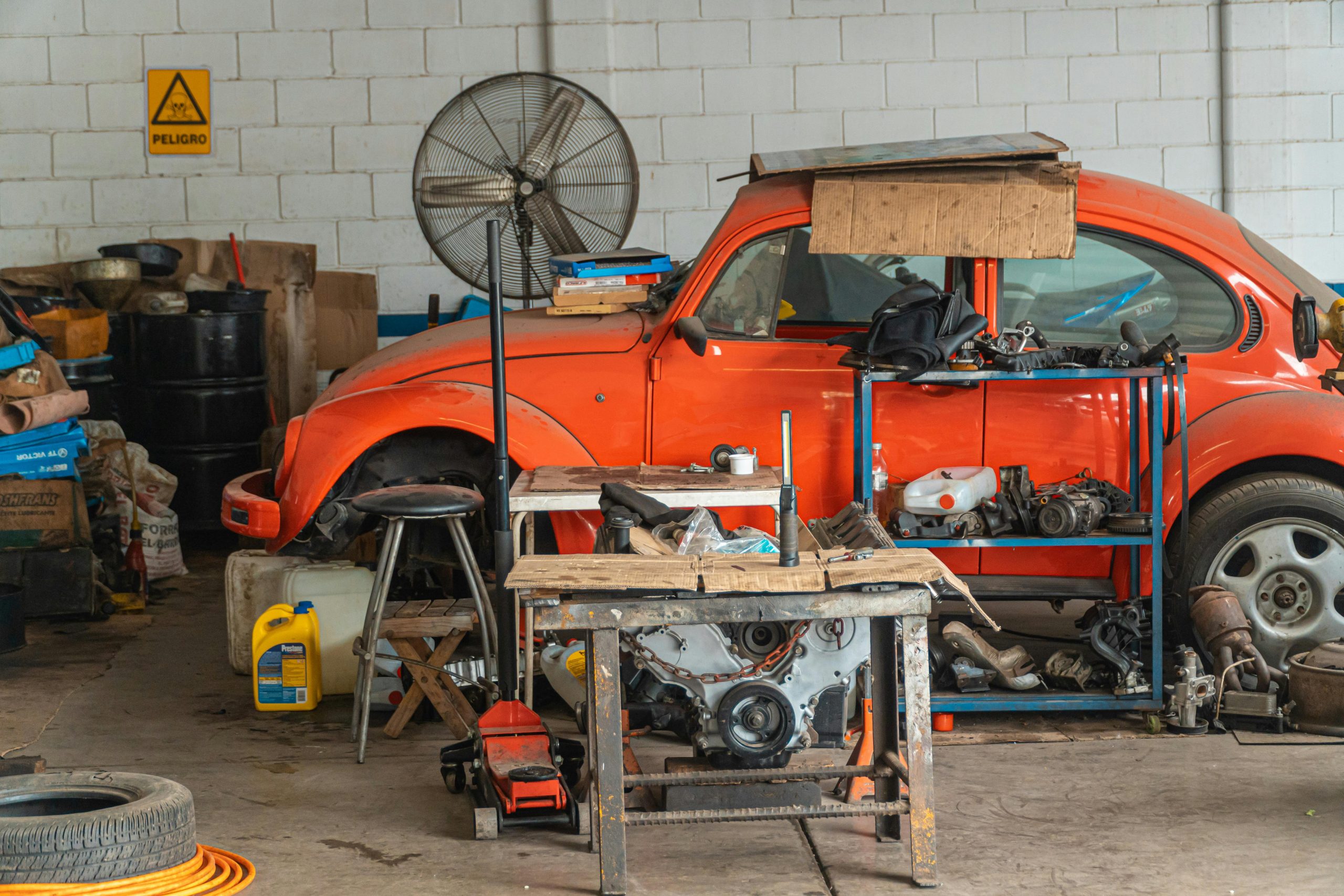
This smell is often dismissed because garages already smell different. Vehicles. Fuel in storage. Old rags. Lawn equipment. Paint products or tools. All of these can cause a smoky, oily, gasoline-like or burning smell in the vicinity of the garage. Some garage odors are normal when working in the yard, but strong or new odors should be investigated. The safer practice is to not hide it. If the smell is sharp, persistent or associated with heat, appliances or electrical items, don’t guess and get professional advice. To remove general storage odors, try sealing up your products, throwing away old rags and increasing air circulation to help your garage smell less stale.
A Pantry Smell Can Mean Something Opened, Spilled, or Aged Out
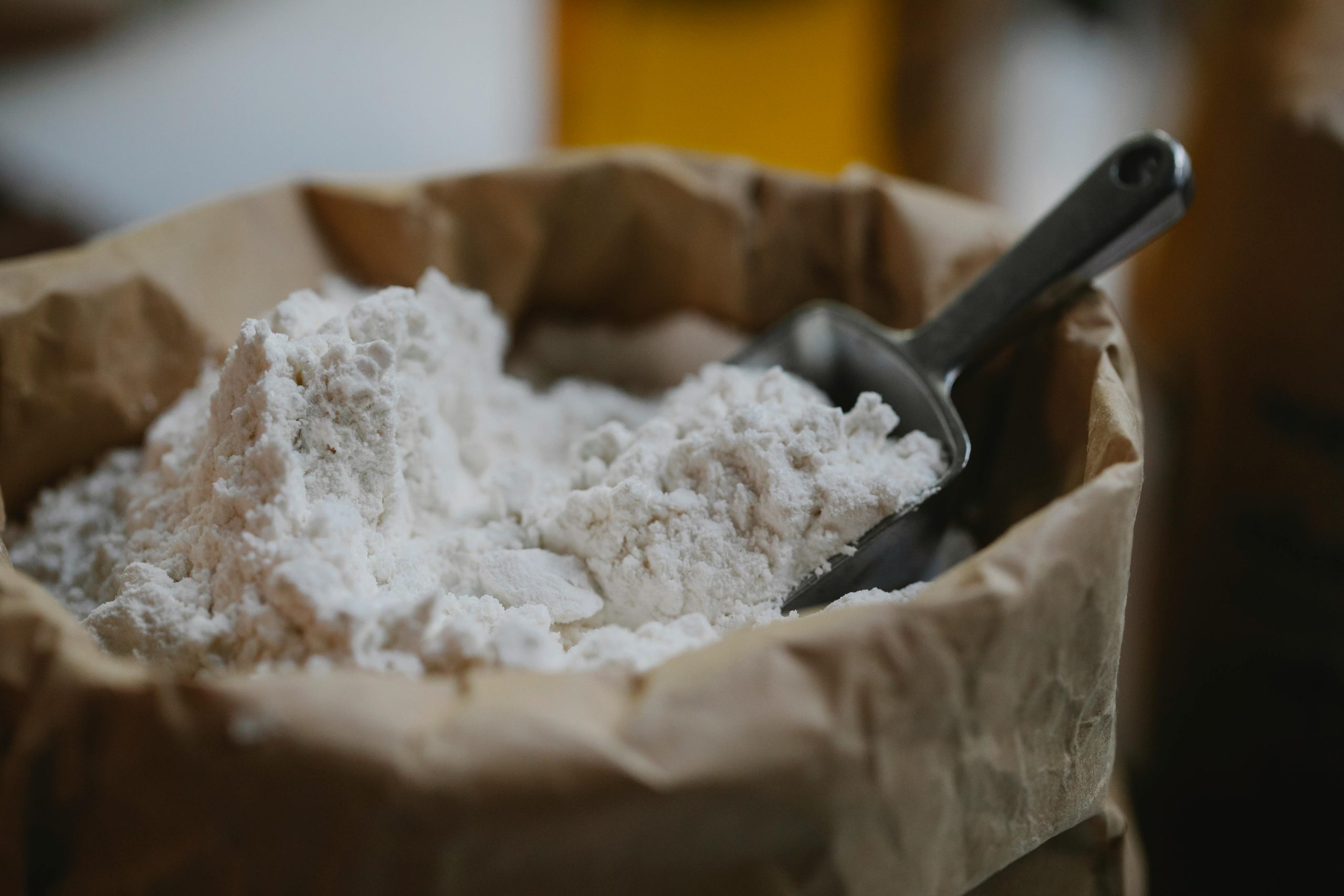
The smell may be slight, but it lingers. Open flour, old cereal, crumbs, spilled rice, aging potatoes, or forgotten snacks pushed to the back may give off a stale, dusty, or slightly sour smell to the pantry. Pantry shelves in many U.S. kitchens fill up quickly, because people replace items before they have used them. The money loss can creep up silently. One open bag leaking or smelling can make the whole shelf feel older than it is. Check dates and seal dry goods, wipe away crumbs, and rotate older items to the front to avoid waste and boost your confidence in the pantry.
A Pet-Like Smell Without a Pet Can Point to Hidden Fabric or Moisture

The smell can deceive people because it feels so familiar. A pet smell in a home that doesn’t have pets can stem from damp rugs, old shoes, entryway mats, wet coats, gym bags or upholstery that has absorbed moisture. This can occur around front doors and mudroom spaces after rain, snow or work in the backyard. The source often is where people dump things fast. In the typical American entry way, shoes, bags, sports gear and jackets can pile up before anyone thinks about air flow. Washing mats, drying shoes and moving damp items away from walls can help to get rid of the smell before it spreads to nearby rooms.
What These Smells Are Really Telling You
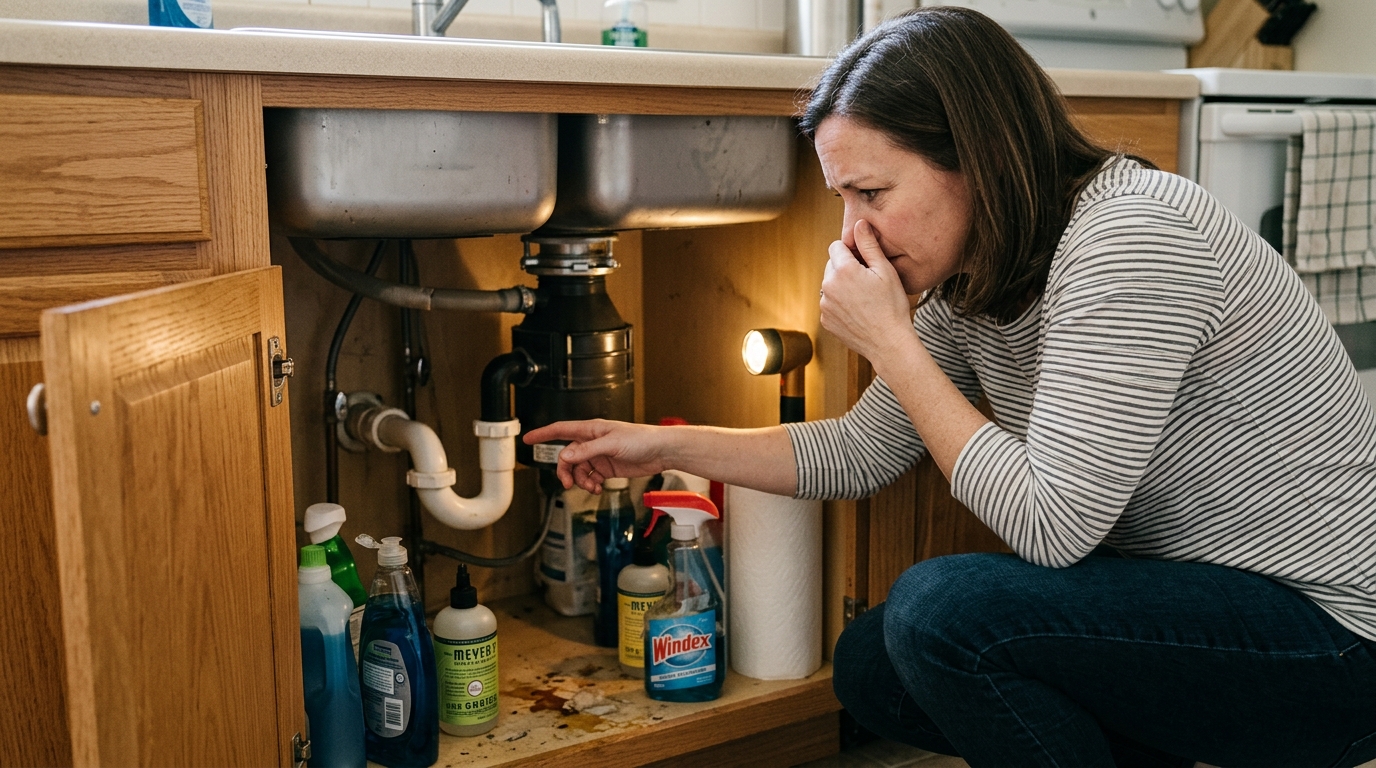
The trick is to follow your nose, not fight it with perfume. Air fresheners, candles and sprays can mask an odor for a time, but they don’t get to the bottom of why it keeps returning. But the real answer in many homes across the US is usually moisture, residue, old food, poor airflow, clutter or a small maintenance issue waiting in a hidden spot. The payoff is that you understand what your house is already trying to tell you. A stale bathroom, sour drain, stale washer, damp basement, smoky garage, or spoiled fridge drawer doesn’t always mean disaster. But when a smell keeps coming back over and over again it is often a sign that this is the next place to check out. The earlier you see that pattern, the better it is to clean, fix, dry, seal, or call for help before the problem gets bigger.