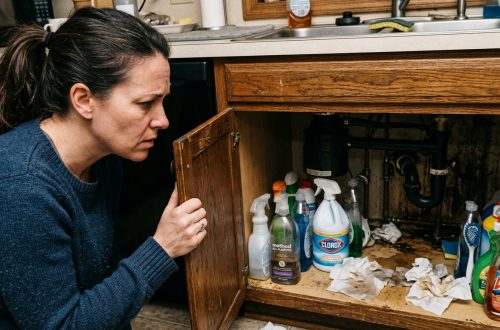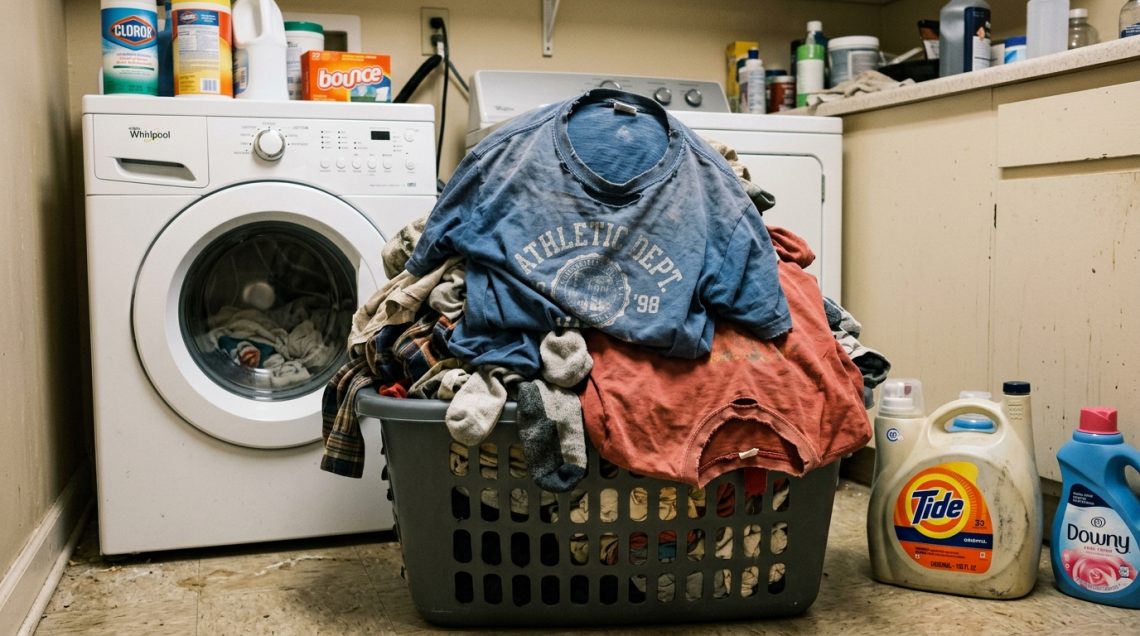
Most laundry damage doesn’t happen in a single dramatic wash. It usually starts small, with things that seem normal in many homes across America: stuffing the washing machine after a busy week, pouring in detergent without measuring, washing towels with T-shirts, leaving wet clothes in the machine or blasting away at everything on high heat because it seems faster. These mistakes can gently stretch fabric, fade colors, trap odors, wear out elastic, roughen towels and age everyday clothes prematurely. Before the hoodie you wear to the grocery store, the school uniform, the work shirt or your favorite pair of jeans start to look tired, here are some laundry habits worth noting.Cheap fabric is usually blamed for clothes that look worn out. But the laundry routine may be doing more damage than the closet. In many American homes, shirts, towels, jeans, socks, leggings, school clothes, work uniforms, all get thrown together into the same weekly cycle because it feels faster. The problem is, laundry damage is often a gradual accumulation. A shirt might not shrink the first time. A towel may not feel harsh at first. A black hoodie doesn’t always fade after one wash. Repeated heat, friction, too much detergent and poor sorting can quietly age clothes long before their time
Overstuffing the Washer Makes Clothes Rub Too Hard
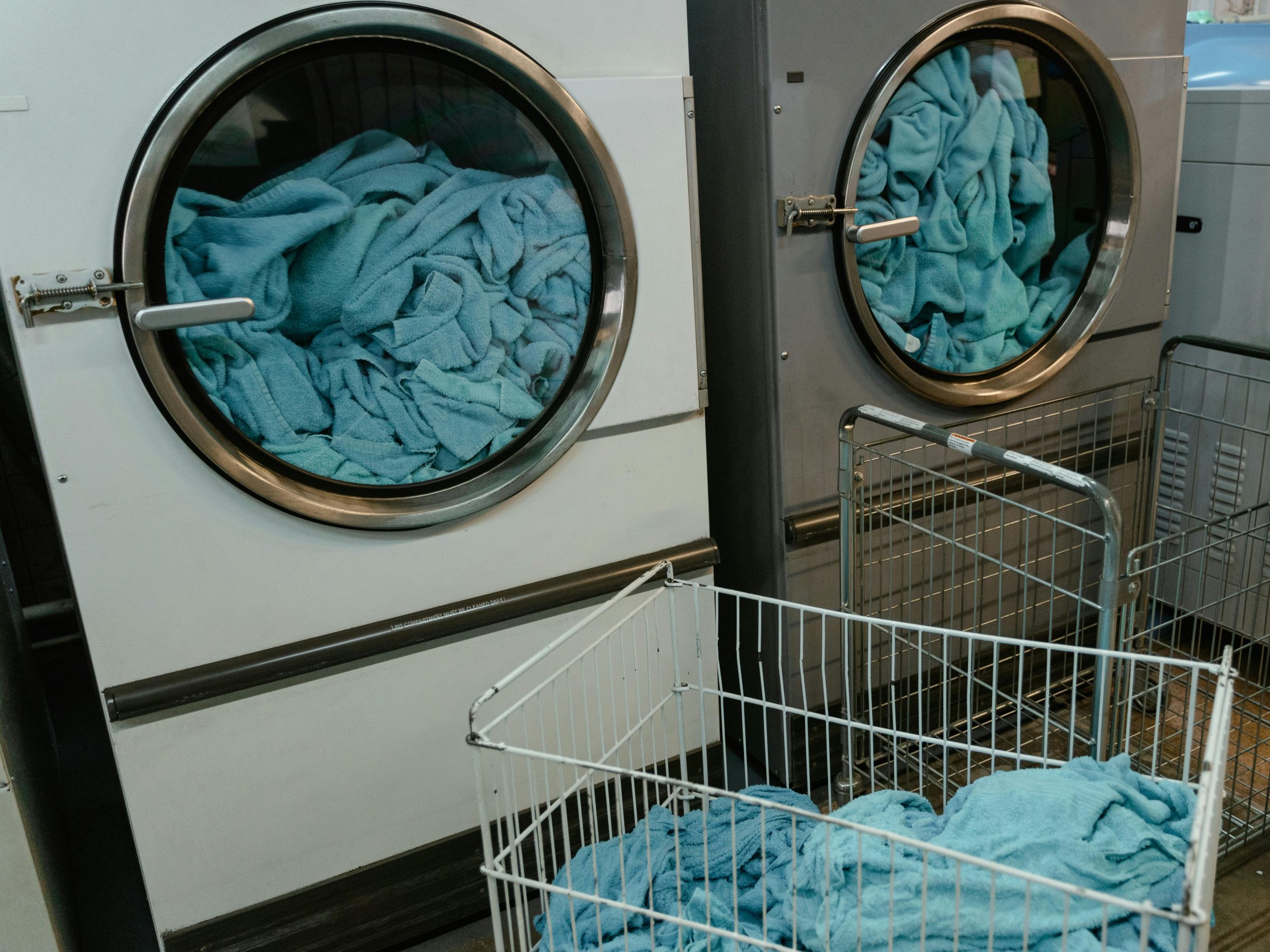
This error feels efficient, until clothes come out twisted, wrinkled, or still smelling a little stale. When the washer is overloaded, fabric does not have room to move freely through the water. Clothes rub against each other instead of actually getting clean. That friction can wear down fibers, stretch out collars, fuzz up fine fabrics, and age everyday items faster. The clue is often there before the cycle even begins. If you have to press clothes down to close the lid or door, it’s likely overfilled. Towels, jeans and sweatshirts need more space because they become heavy when wet. In many U.S. homes, one more smaller load may protect clothes better than jamming a week’s worth of laundry into one packed wash.
Using Too Much Detergent Can Leave Clothes Stiff
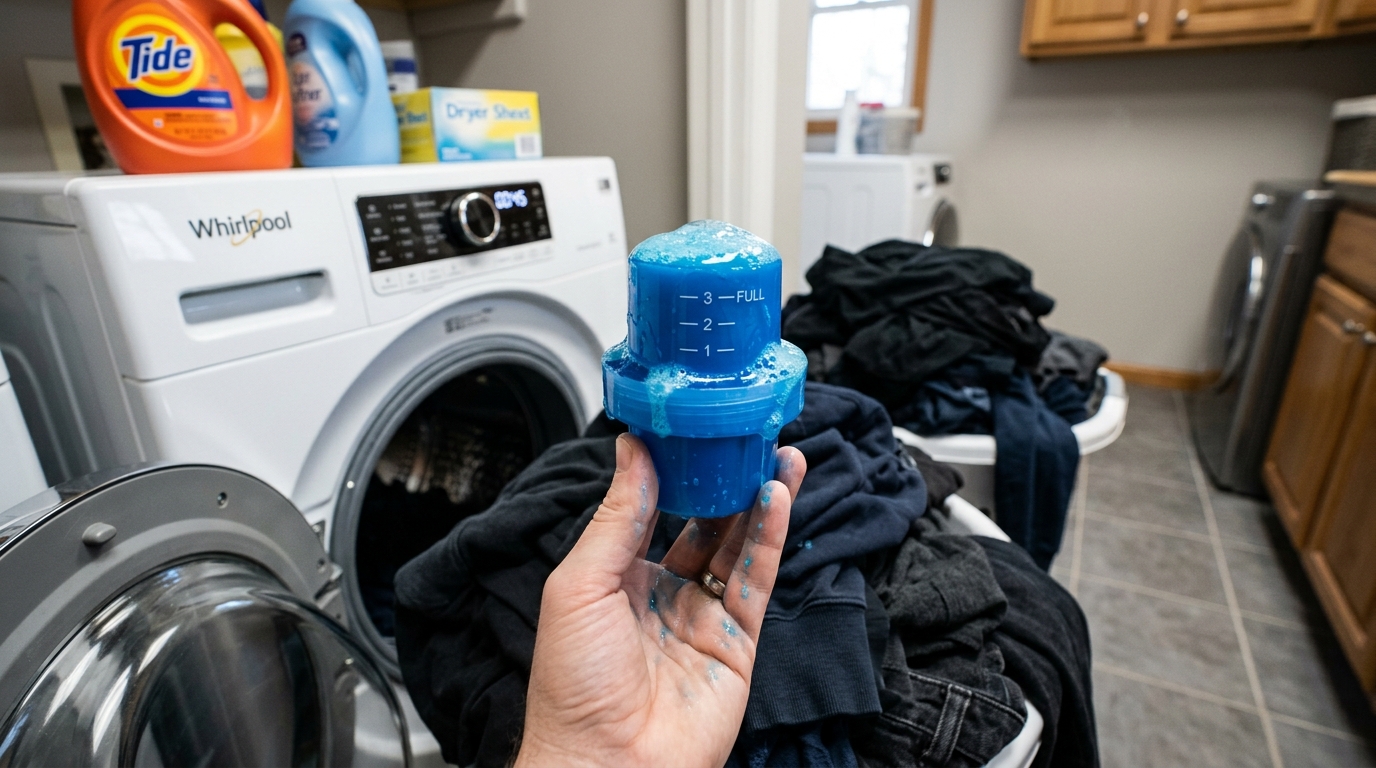
That seems harmless – more soap feels like more cleaning power. Too much detergent can leave residue on fabric, particularly in high-efficiency washers that use less water. When they emerge, the clothes can seem stiff, slightly sticky, or oddly dull. Towels can lose their softness, workout clothes can hold odor, and dark shirts can appear cloudy. It is often a matter of guess, rather than measurement. Many detergent caps have more than you really need, and the lines they print are hard to see. In a typical American laundry room, the better habit is simple: Check the load size, soil level and detergent label instead of filling the cap out of habit. Less is usually sufficient for smaller loads.
Washing Everything in Hot Water Can Age Fabric Faster
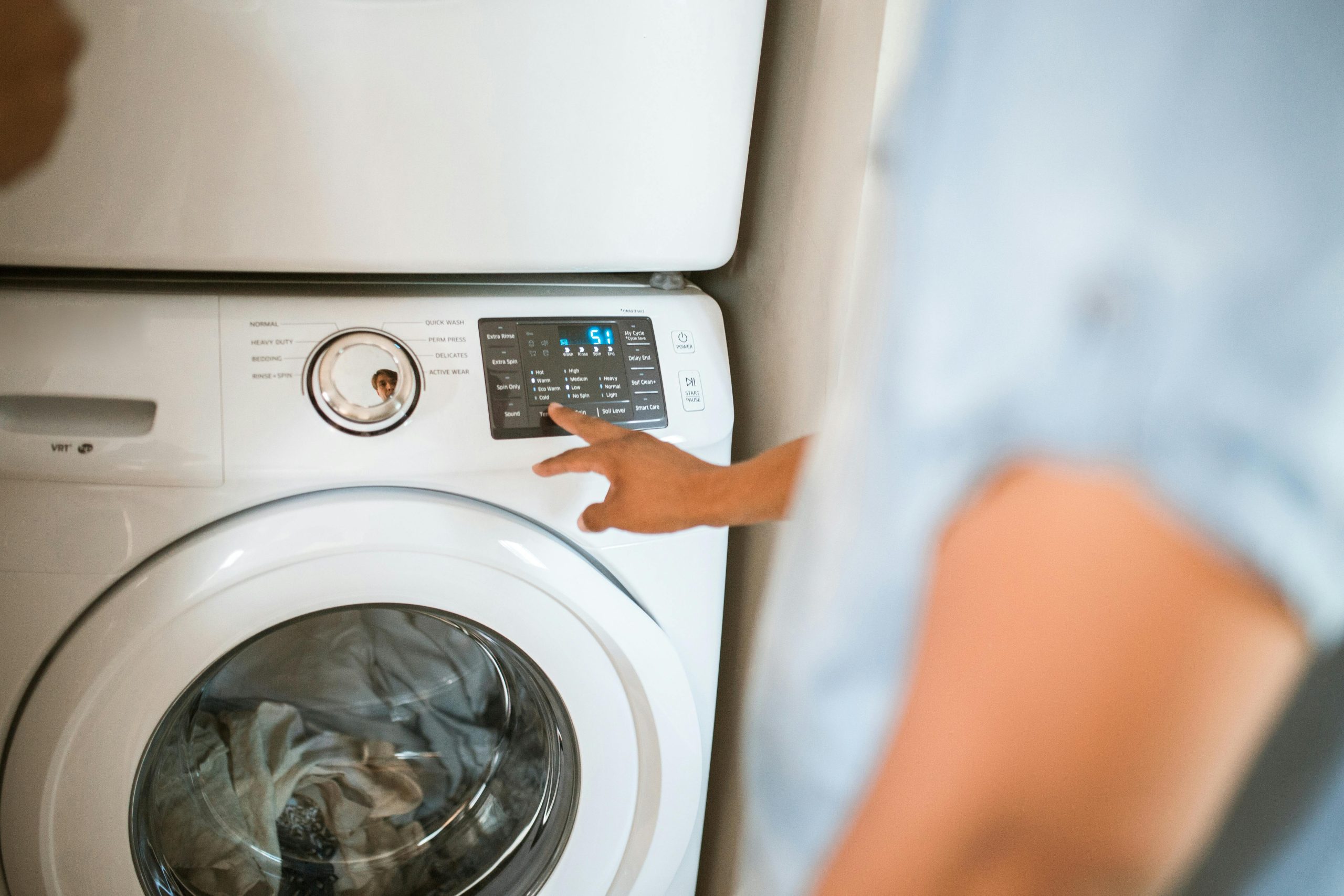
This seems like a practical habit because hot water seems stronger. But frequent hot washes can fade colors, weaken elastic, encourage shrinking in some fabrics and make clothes lose their shape sooner. Cooler settings often preserve the vibrancy of bright T-shirts, dark jeans, leggings, school clothes and many everyday items better. A small label may tell you the better choice before damage occurs. Care tags are easy to overlook, but often indicate whether warm, cold or gentle washing is safer. In lots of U.S. households, cold water is fine for most regular laundry and you can save the warm or hot cycles for laundry that actually needs it (some towels, bedding or heavily soiled items when the care label allows).
High Dryer Heat Can Shrink, Fade, and Weaken Clothes
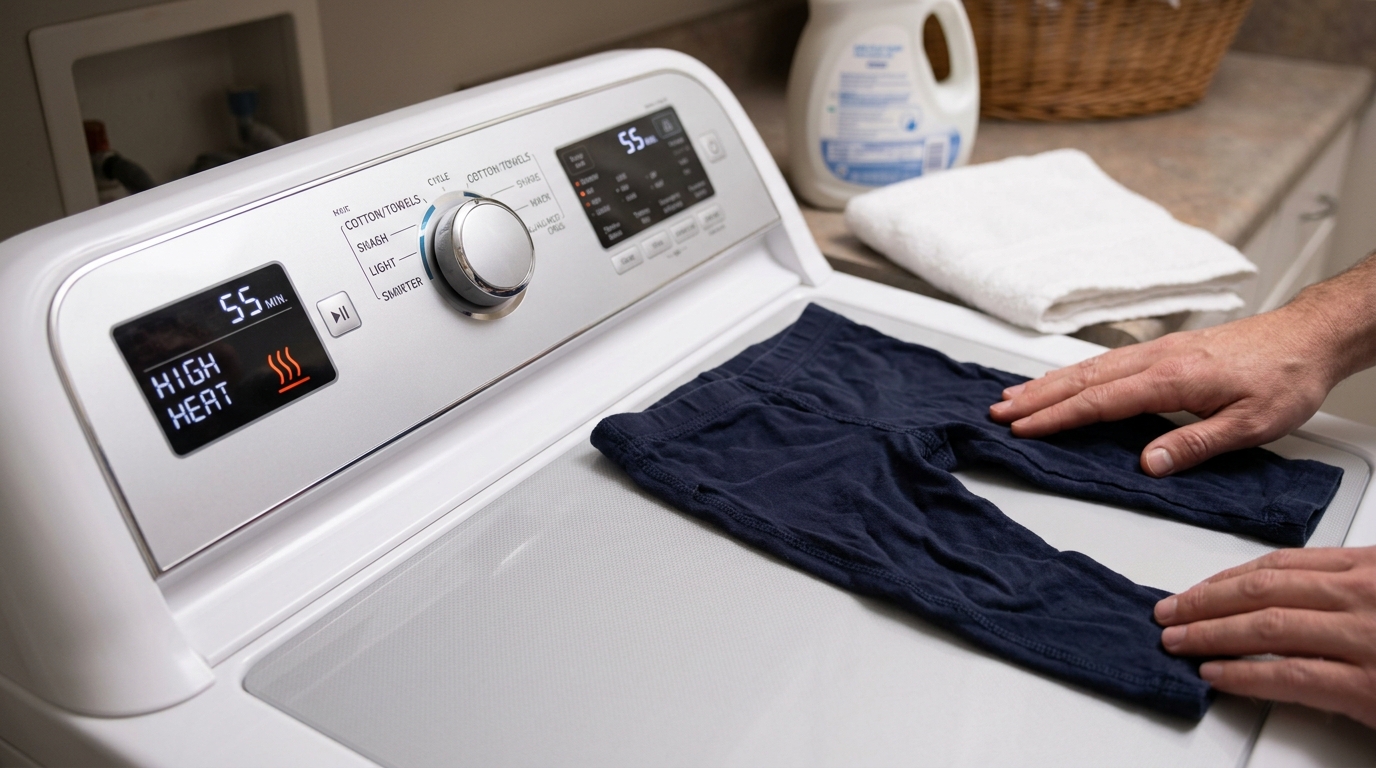
One of the most common reasons why clothes begin to look older is the shortcut. Cotton can shrink in high heat, elastic can be weakened, dark fabrics can lose their color and synthetics can lose their smooth feel. It can also set wrinkles more firmly, so shirts and pants come out looking more used than clean. The damage is easy to miss because the dryer still “works”. The clothes come out dry so it seems the setting is successful. But collars curl, waistbands loosen and favorite shirts feel shorter or tighter over time. If you turn the heat down or use air-dry settings, it takes longer, but it’s usually better for the clothes you want to keep.
Leaving Damp Clothes in the Washer Creates Odor Trouble
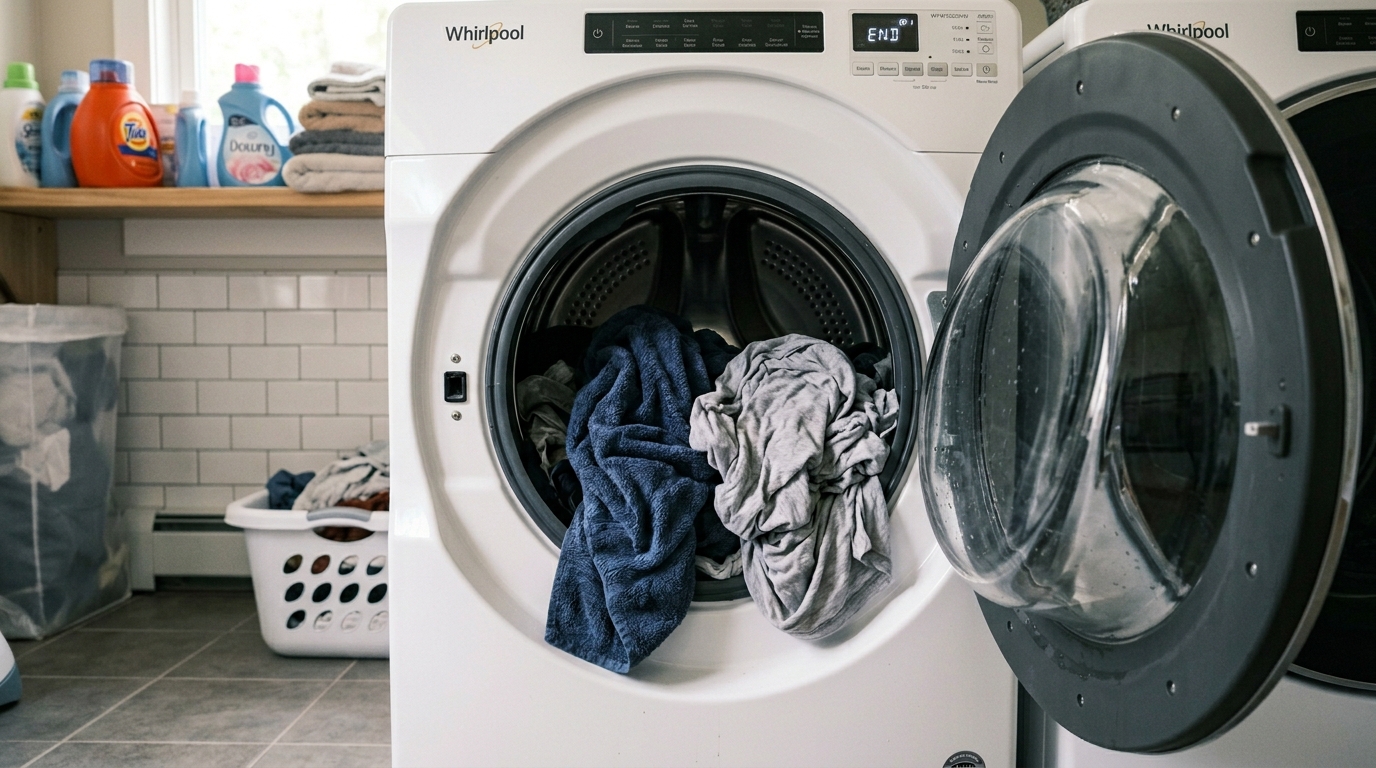
This mistake is most often made on busy evenings, school mornings or weekend errands. A load is done, the machine beeps, and then the clothes sit. Damp fabric left in a closed washer can start to smell musty, especially towels, gym clothes, socks, and thicker cotton items. The first warning sign isn’t always obvious. Clothes may smell okay when they’re wet and then develop a stale smell after they dry. This means more detergent, more water, more heat and more wear and tear on your fabric and you may need to rewash. In many American homes a phone reminder when the cycle begins can save clothes and time
Ignoring Zippers, Hooks, and Velcro Can Snag Fabric.
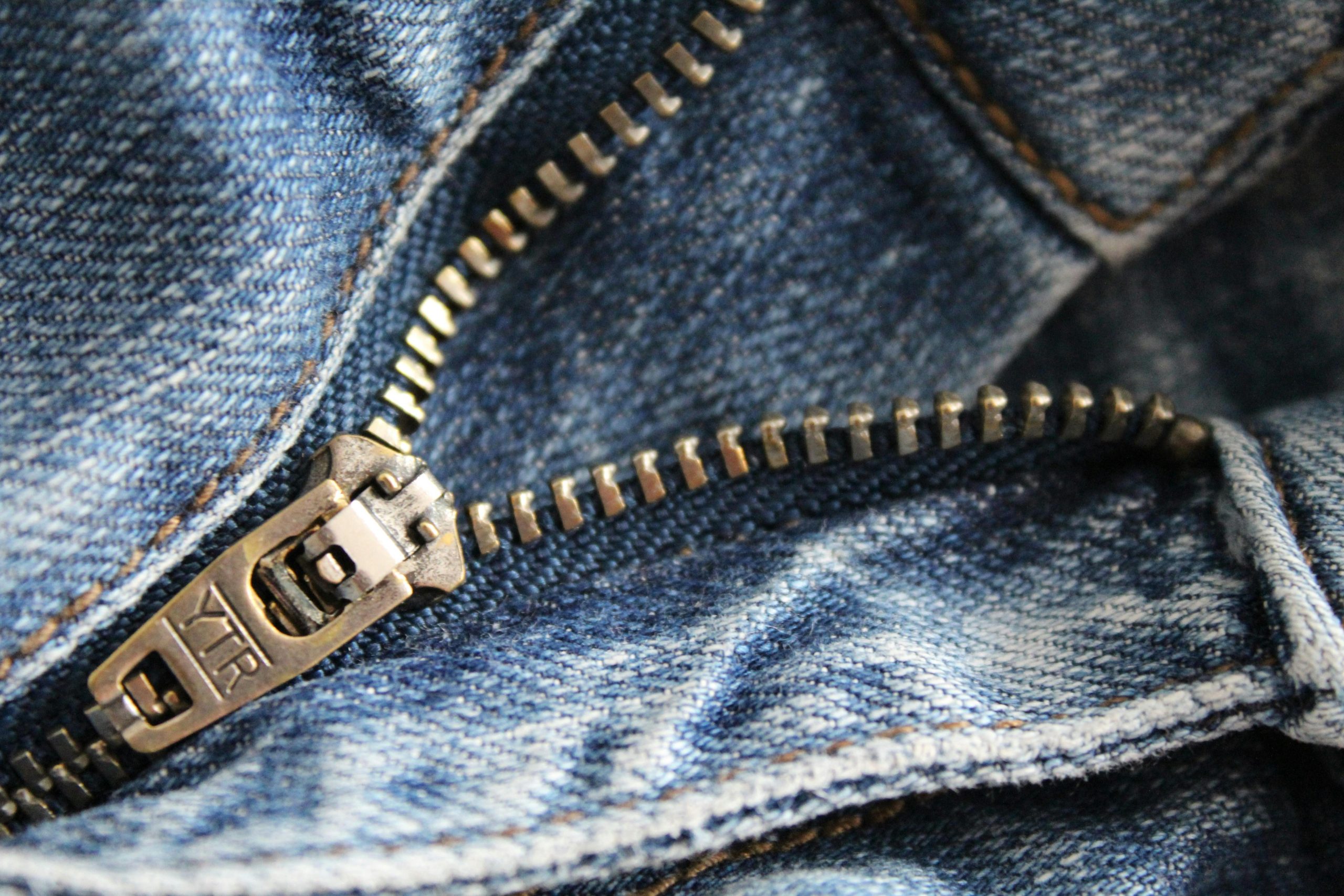
A small detail like that can quietly ruin good clothes. Zippers, bra hooks, Velcro straps and rough fasteners can snag fabric during the washing or drying cycle. One snag may leave a pulled thread, but repeated snagging can make sweaters, athletic shirts and soft tops look worn in a hurry. The fix is just seconds before washing. Fasten hooks, zip up jeans and jackets, turn rough items inside out and think about using mesh bags for delicate items. This small step around a busy laundry room can save clothes which cost far more than people realise when they need replacing.
Skipping Inside-Out Washing Fades Dark Clothes Faster
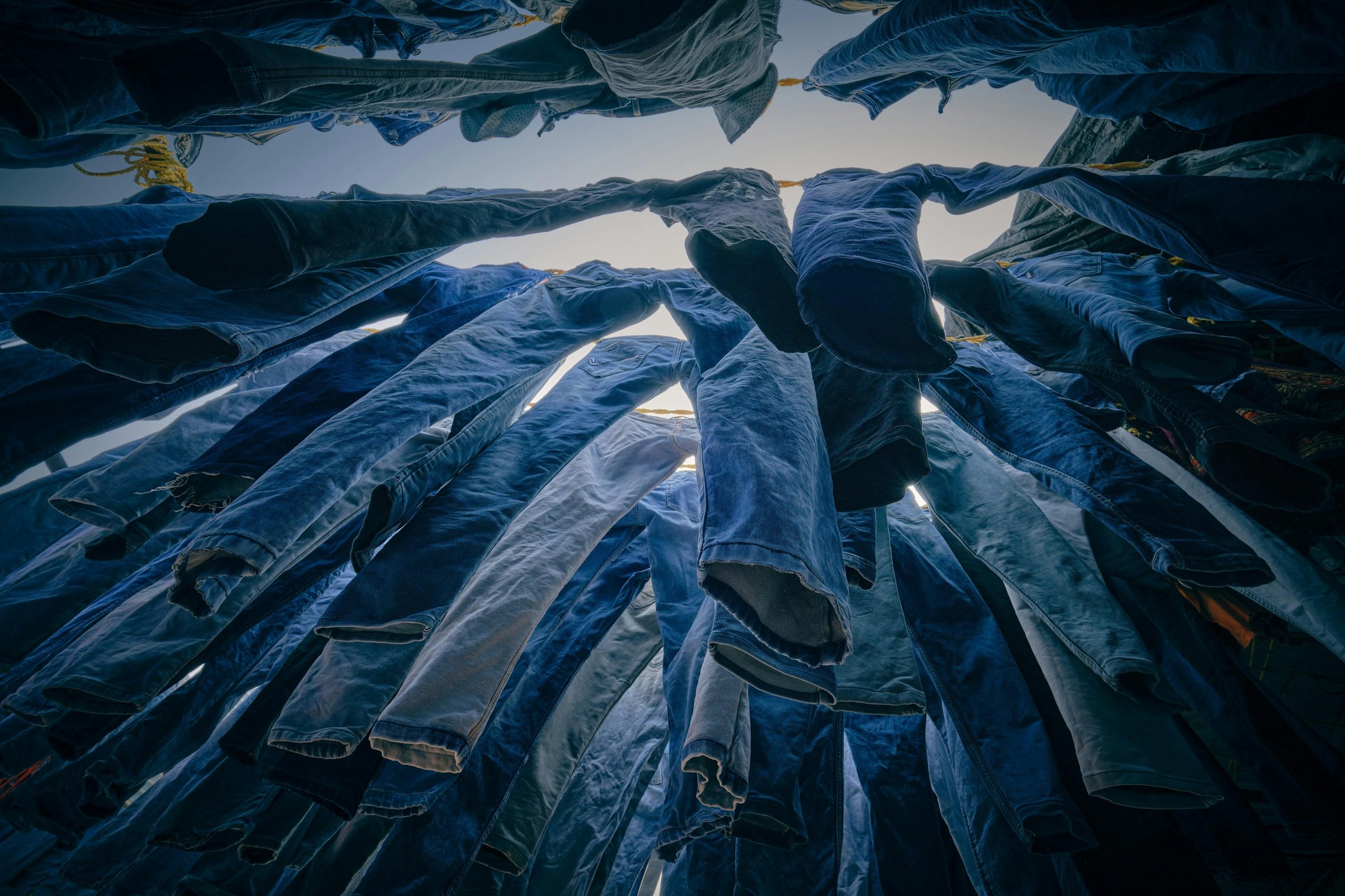
This is a good habit to get into, especially for black shirts, dark jeans, graphic tees, hoodies, and school or work uniforms. Washing dark clothes inside out exposes the visible surface to more friction, which can cause the dye to rub off. With time, colors look dusty, graphics crack faster and the edges of the fabric fade. The helpful clue is the outside of the garment. That is the part people see. That is the part worth defending. Washing and drying dark clothes inside out can help reduce visible wear. It doesn’t totally halt aging, but it can help favorite everyday pieces look newer for longer.
Washing Clothes Before Checking Pockets Can Create hidden Damage
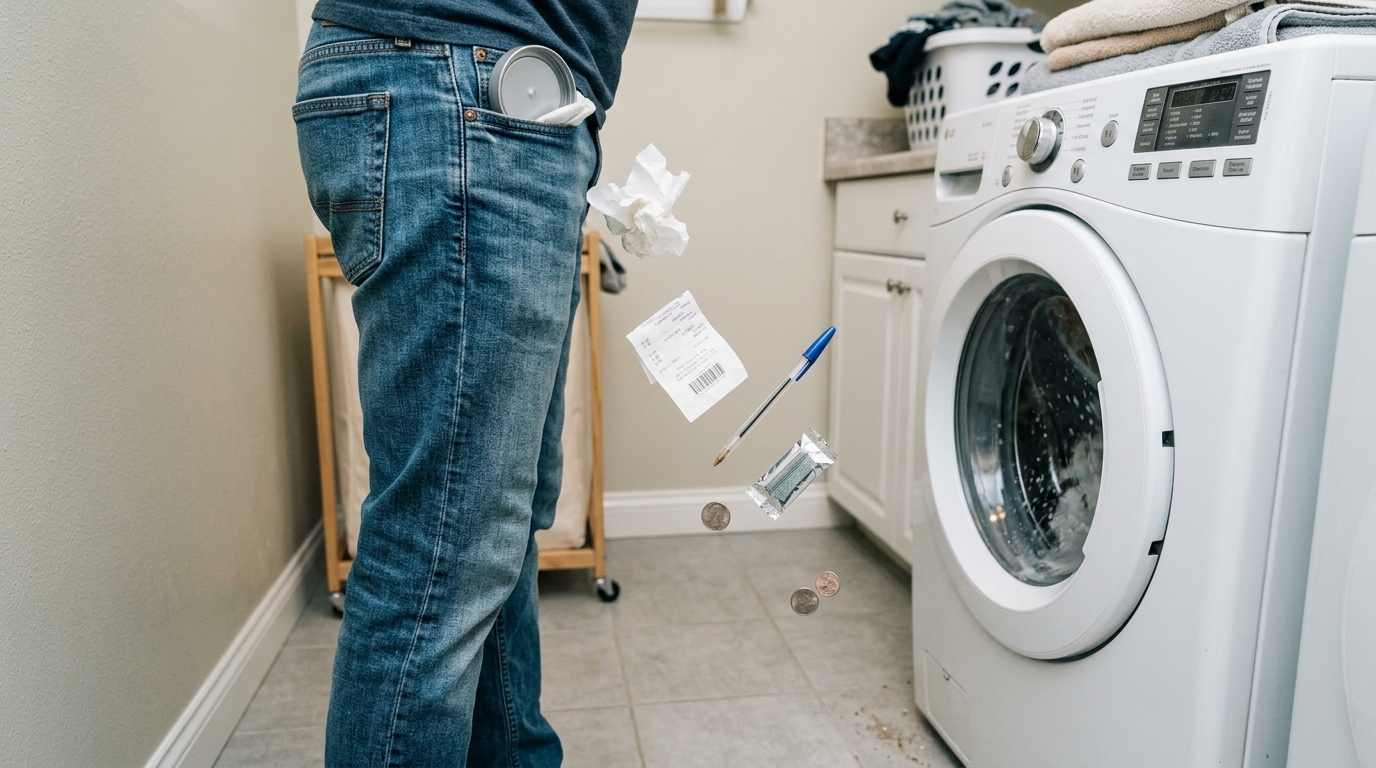
A single error can make a load a frustrating clean-up. Dark clothes can rip fabrics, pens can leak, lip balm can leave greasy marks, and coins can cause noise or put stress on the machine. Even paper receipts can leave linty bits on fabric. It’s a dull yet powerful habit. Before you toss the clothes in the hamper or before you put them in the washer, check the pockets. Pocket checks can help prevent stains, lint messes and accidental damage that no one notices until the cycle is done, especially for many U.S. households with kids’ jeans, work pants, school hoodies and jackets.
Using Fabric Softener on Everything Can Backfire
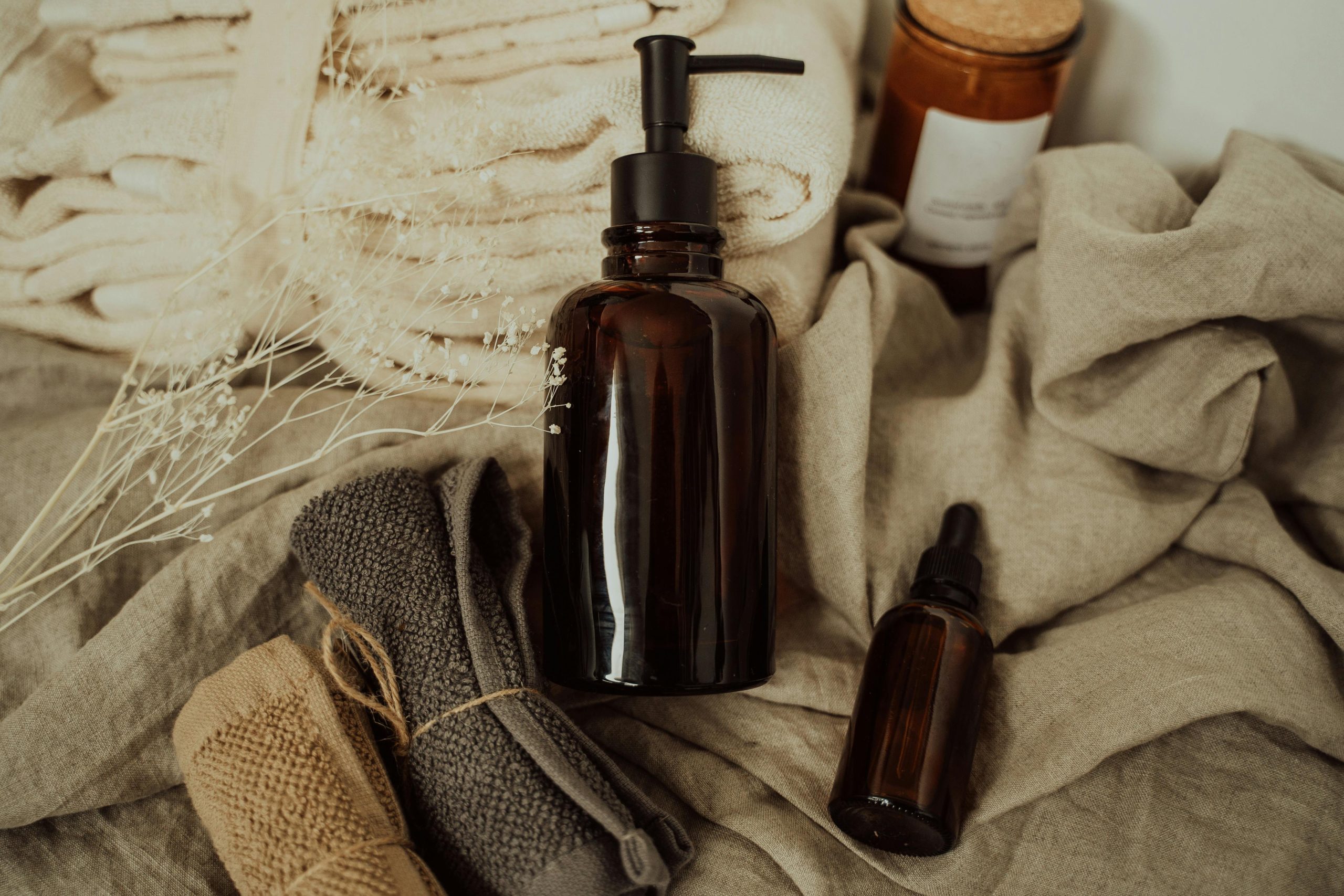
This one of those habits that just seems to help automatically. Some items can also feel smoother with fabric softener, but if you use it on every load, it can leave buildup on towels, athletic wear and some moisture-wicking fabrics. Towels may not be as absorbent and workout clothes may retain odors more easily.The better question is not “Must every load smell soft?” This is “What sort of fabric is this? You may have to treat bath towels, gym clothes, microfiber cloths and performance fabrics with a bit more care. Looking at care labels and softening only when it makes sense can keep clothes and towels working the way they should.
Drying Clothes Too Long Sets Wear Into the Fabric
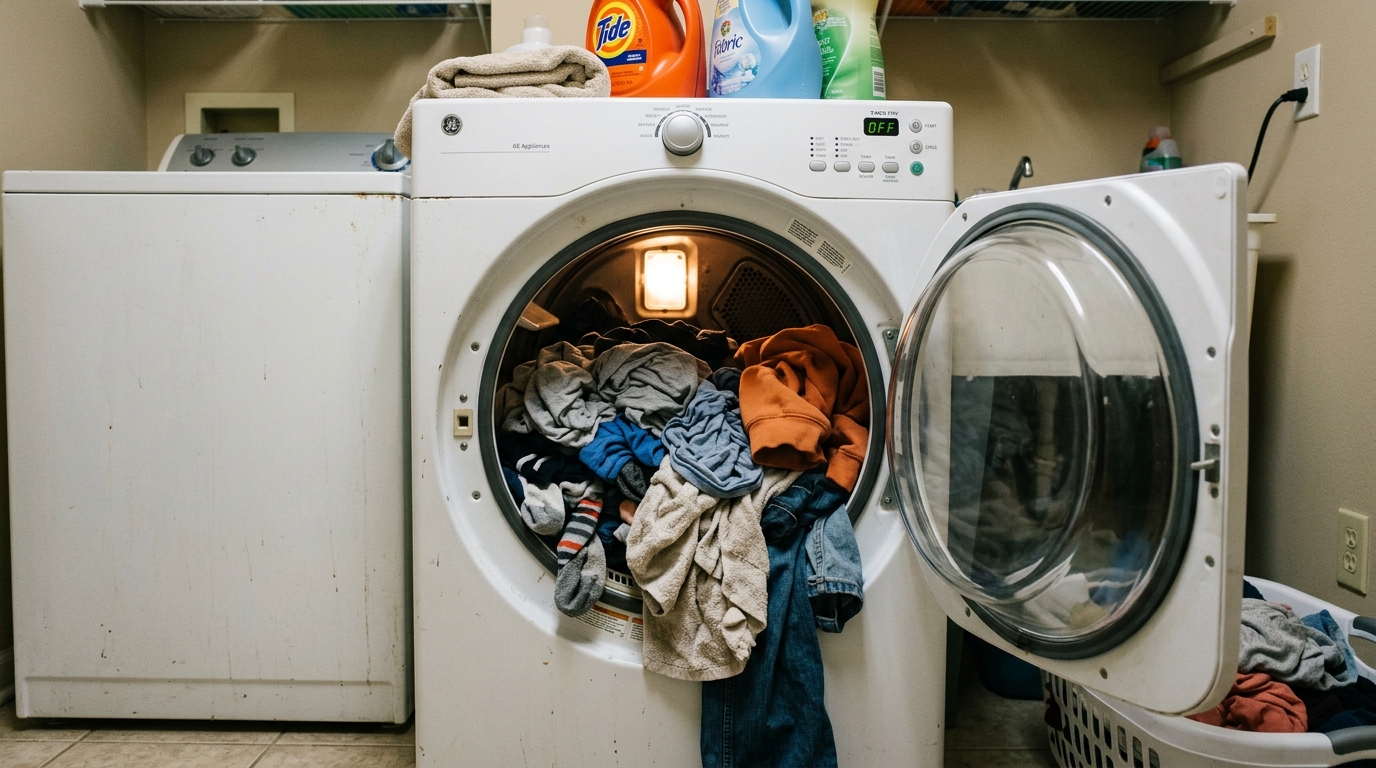
This problem lurks behind convenience. People often give it an extra cycle of drying “just to be sure,” especially with mixed loads. But overdrying can make fabric feel rougher, increase static and set wrinkles and put extra stress on elastic and seams. Usually under the feel of the cloth is the sign. If shirts come out hot, stiff or crackly, the dryer may be doing more than just getting out the moisture. Check the load earlier or pull out lighter items before heavy towels if you’re using sensor dry to prevent unnecessary wear.
Hanging Heavy Wet Clothes the Wrong Way Can Stretch Them
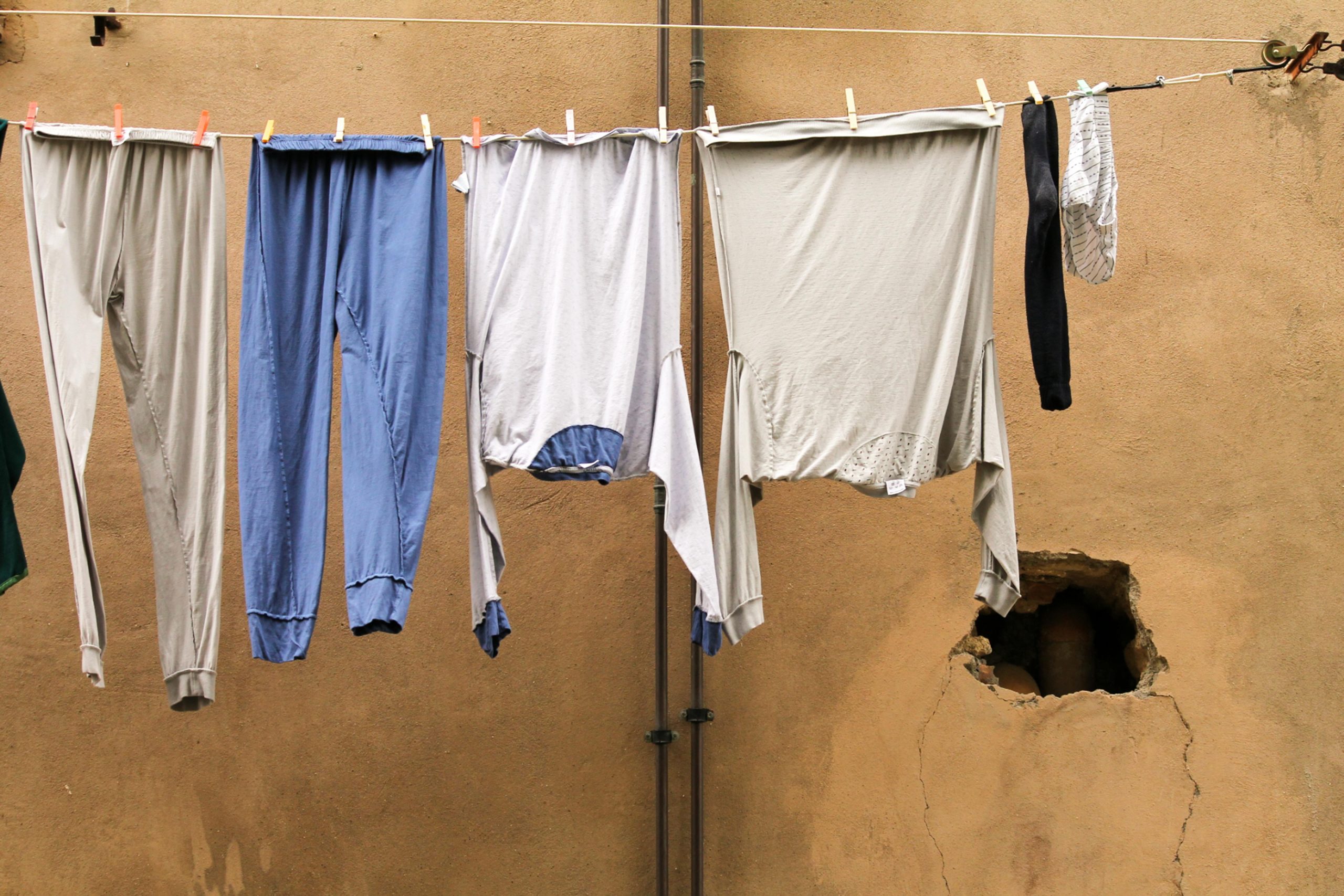
This error happens when people try to dodge damage from the dryer and end up creating a different problem. Heavy wet sweaters, knits and some cottons can stretch when hung by the shoulders. Hanger bumps can form and the garment may take longer to dry or dry out of shape. The better method varies by item. Heavy knits are better if they are laid flat on a drying rack or towel. Lighter shirts may hang okay, especially if the fabric is not too heavy when wet. If you live in a small apartment or an older home with not a lot of drying space, you can protect shape by taking advantage of the right drying position without using high heat.
Washing Clothes Too Often Can Wear Them Out Faster
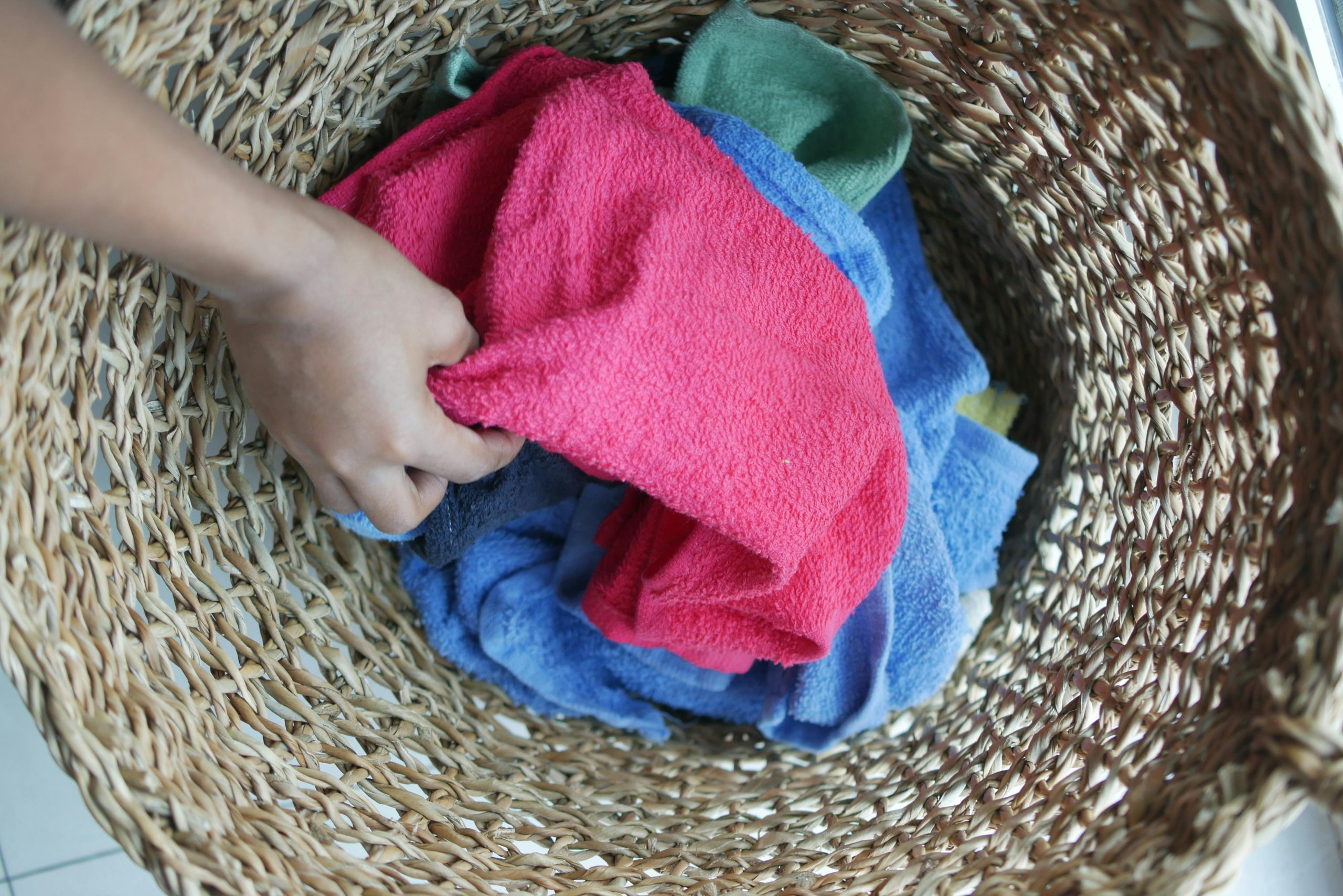
This habit usually stems from a need for everything to feel new. But washing clothes after every little wear can leach color, break down fibers and cut the life of jeans, sweaters, hoodies and outerwear. Some things might need to be washed after each use and some might not. The practical clue is the use of the item. Wash undergarments, socks, sweaty gym clothes and anything with stains immediately. But, if you only wash your jeans, sweaters, jackets, and some hoodies when you need to, they can last longer. Better sorting saves water, energy, detergent and clothing replacement costs in the average American home.
The Laundry Routine Is Usually the Real Clue
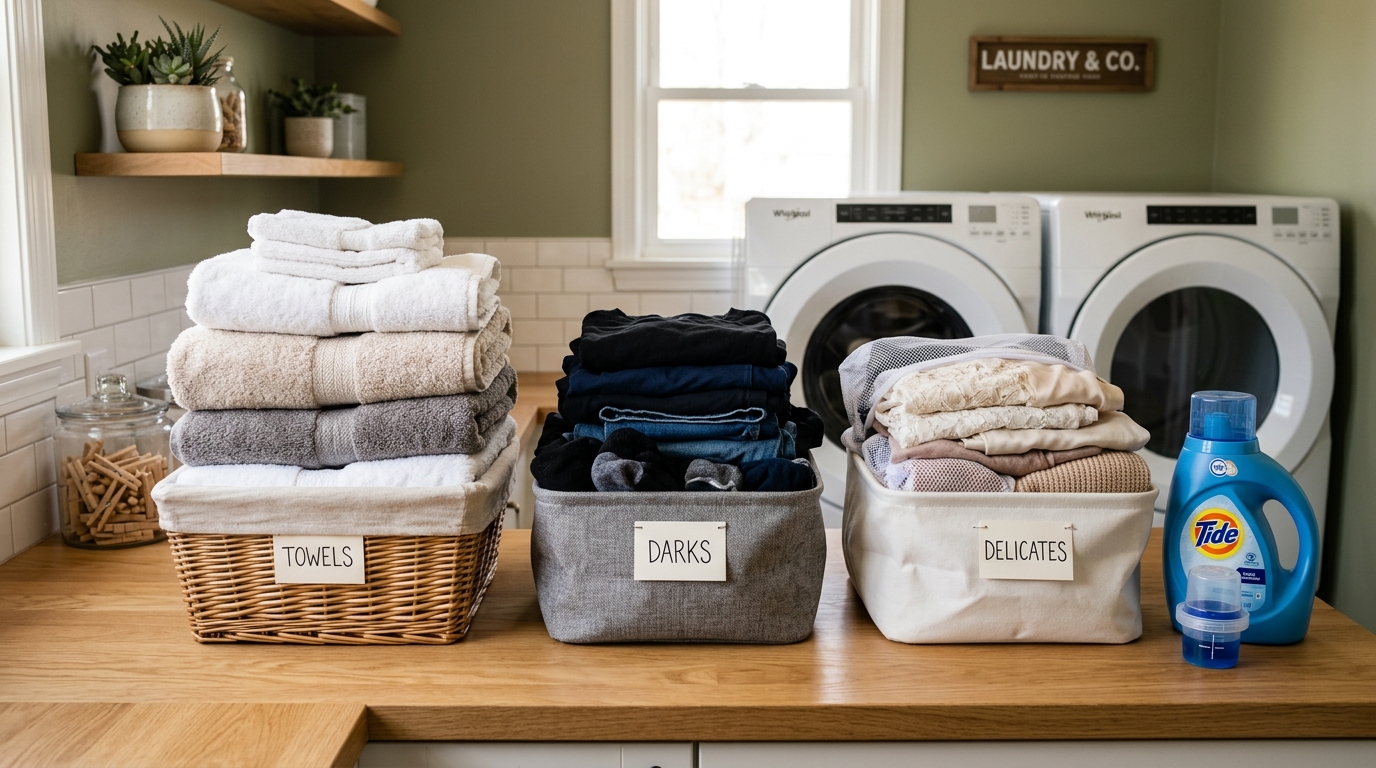
The good news is that most damage to clothing can be fixed without complicated mending. Usually it’s about more space in the laundry, less heat, measuring the detergent, separating rough items, checking the pockets and paying attention to the fabric. None of these habits seem dramatic, but together they can change the lifespan of everyday clothes.The next time a shirt looks faded, a towel feels rough or a beloved hoodie shrinks more than expected, the answer may not be the store, the brand or the fabric. The answer might be right in the laundry room: the washer load was too full, the dryer was too hot, the detergent was too much, or the wrong items were rubbing together. Once people know what to look for, laundry is one of the easiest places to save clothes, money and frustration in a typical American home, instead of another chore.